




Spot Fake Online Shops – Stay Safe from Scams

Online shopping is no more an alien concept. Nearly everyone who spends their time on the Internet, prefer shopping online. But as convenient as online stores are, they can be a scary place too. You never know if the Web site where you are giving away your credit card information is a genuine or fraudulent. In this blog, we have shared some tips to help you tell genuine e-commerce Web sites from the fake ones.
Grammar
You might find it silly, but if you do a little bit of digging, you will find that fake online shops do not put much effort into their Web content. If you find that the content describing the item you plan to purchase or of the overall Web site is grammatically poor, then you may want to pause and do a little more research on the Web site.
Date of Inception
Checking with the Web site’s date of creation is also a good way to scrutinize it. If a Web site is only a few weeks or a month old, then steering away from it would be wiser. Web sites that have been on the Internet since long, are generally trustworthy. You can visit the Whois section of InterNIC’s database. Here you can find information such as a Web site’s updated date, creation date, and expiration date.
The Checkout Section
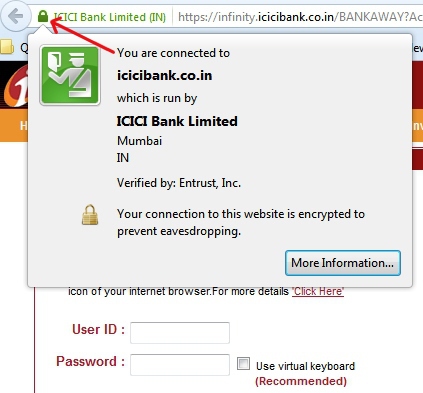
Alright, let’s say that you fond the content of the e-commerce site clean and professional, the Web site is pretty old too. But you should not judge its legitimacy based on only these two factors. There’s one more crucial check that you have to run. When you finally make up your mind to buy something and land on the checkout section, take a look at the Web site’s URL. Does the URL start with https? If no, then consider yourself in a ‘I-will-get-in-trouble-situation’. Hit the Back button, or even better, close the Web site. A secure website’s URL should always begin with https and it should also have the “pad lock” icon, as shown below.
Payment Service
The primary aim of cybercrooks is to steal your money. So, it is only logical that you also play Sherlock Holmes to find out about the payment service your online shoppe uses to accept payments. If your findings reveal popular services like PayPal or other trusted services, then odds are, the site is legit. If the payment service is unidentifiable, then you need to extend your investigation before giving away your credit card or bank account information.
Ease of Navigation
Trusted and legit e-commerce Web sites or any Web site for that matter, put in a lot of effort to ensure that users get what they are looking for. So, if your online shopping site has limited functionality, messed up navigation, looks crappy and unprofessional, and shoots out errors every now and then, and that should raise an alarm.
Prices and Discounts
Love may come without a price tag, but good things are pricey. And even if they are not, at least they are not dirt cheap. If the online shop you are on, claims to throw in a PSP or a brand new iPhone for like $20, then hold your horses. No company as big as Sony or Apple, in their right mind, would start doing such social service. So, if you think a product’s price is too good to be true, then go with your instincts and verify the same from other sources.
Use the Contact Us Section
You can still dig deeper to determine if an online store is legitimate or not. Give a call at the number provided in the contact information or drop an email message at the email address, if any. If you reach an automated voice messaging system or your email is not replied to or a long time, then that should raise your eyebrows about the genuineness of the Web site. Having said that, before calling any number, Google it once. You may have heard about scams that trick victims into calling premium-rate numbers. You can read all about it in this post.
Google the Company’s Name
Google the name of the company that owns the online store. It is most likely that the company’s URL would show up in the first position, and even in Wikipedia. You might also come some reviews about the Web sites, depending on how popular it is. Fake or sketchy e-commerce Web sites, usually do not get such privileges.
Terms and Conditions
Terms and conditions may be the last piece of content that anyone would like to read on any Web site. But going through the part that talks about payment, returns, refund, exchange, etc., does make sense. Shady Web sites are not transparent about return or refund policies; and why should they be, they need your money don’t they?
You can read our post on pharming, where we have listed some helpful tips on how to do safe online banking.
Cybercrooks are always on the look out to scam unsuspecting and unaware shoppers, and steal their money. It is crucial that you know if the online store you are shopping from is genuine or just another scam trap. So, before you go all gaga over a heavily discounted wrist watch or phone on an online store, just conduct a quick scrutiny using the above tips. And just to be sure that fake or fraudulent Web sites do not trick you, Quick Heal’s Web protection is at your disposal.