


9 Netbanking Security Tips – Why you need not fear Netbanking

Internet banking, or Netbanking, is fast, convenient and easy to use. Through this service one can now transfer money, pay bills, create a fixed deposit and do much more. There is no need to physically visit a bank and wait in a queue now as everything can be done with a few simple clicks. What’s more, all major private and public banks offer this feature so anyone who owns a bank account can make use of this service.
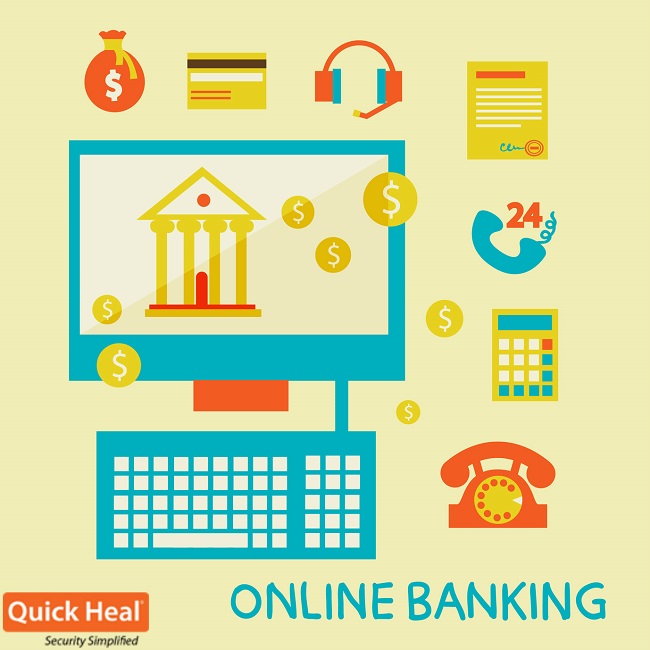
However, many people are still hesitant to use this service. Security risks exist for sure, but with adequate safety measures they can be avoided. Fraudulent attempts are often made so as to attack Internet bankers and to trick them, but with the right precautions and safety awareness all fraudulent attacks can be avoided. Keep the below mentioned Netbanking security tips in mind for online banking transactions.
Safety Tips for Netbanking Users:
1. Change your password frequently
While it is highly important to choose a password that is very strong and has a good mix of letters, numbers and other characters, it is even more important to change your Netbanking password frequently. Also, do not use the same password as your email accounts or other Netbanking online accounts.
2. Avoid public computers and networks
When you urgently need to access your Internet banking account, refrain from using public computers in a cyber café or accessing a public Wi-Fi network. These services are fine for general browsing, but they are not an option for accessing your bank account as several other people can gain access.
3. Preserve your personal confidentiality
Never share your login ID and password with anyone who claims to be from your bank or any other service provider. Even if the person is trusted and reliable, do not share your account details. It is as good as giving that person uncontrolled and unregulated access into your personal bank account and your hard-earned money.
4. Lookout for attempted phishing attacks
Be aware and forewarned about phishing attempts on your email, mobile phone, social networks or through phone calls as well. If someone out of the ordinary is asking for too many details, do not share anything with them. Be cautious at all times as you never know when you may be under attack.
5. Do not click on login links in emails
If you get an email from your Netbanking provider, do not click on links within the email in order to sign in. The email and the links could be fake. Instead, type in the address of the service in the address bar and login on your own to avail offers or to undertake other activities. Ideally, save the login URL of the service as a bookmark on your browser.
6. Audit and check your account frequently
If you have not accessed your account in a while, do so from time to time. Once every 2-3 days should be good enough. Once logged in, check if your account balance and summary is in line with your known expenses and income. If you notice anything suspicious, contact your bank immediately.
7. View the last logged in details
Once you have logged in to carry out a check of your account, check the last logged in details. Almost every bank provides this feature and it allows you to see the date, time and location of the last time someone logged in to your account. If you find that the last login was not yours, raise an alarm immediately.
8. Always log out
Whenever you log in and access your bank account, always make it a point to log out. Never close the tab or the window without logging out. This is a common safety precaution that many users tend to overlook most of the times.
9. Make use of effective and updated antivirus
Needless to say, the best form of defense against phishing attacks, malware, fraudulent pages, and many more security threats is an effective and updated antivirus on your machine. When your personal bank account and more is at stake, do not leave your security to part-time and ineffective antivirus solutions. Use a trusted product with advanced features. Quick Heal Internet Security makes your Netbanking activities easier and safer.
With these security measures in mind, Netbanking should not cause any more concerns to you. After all, the service exists to make your life easier so there is no point avoiding it. It is essential to adapt but with adequate safety measures in mind.