



Why are Software Updates so Important for your Security

Attention readers! – Do you use Adobe Flash in your Internet browser? If yes, then make certain that you have got the latest update from Adobe to prevent any possible Ransomware attacks on your system. The update was released on June 23rd. If you want to read more on this, follow > https://bit.ly/1LSaaJj
How do you feel about the system notifications that pop-up every now and then and ask you to update your Internet browser, Adobe Flash Player, Windows or any other software? Unsurprisingly, these pop-ups come as irksome to most. But however uninteresting or annoying these updates may be, they are the ones that stand between your computer and most types of threats in the wild. Know why from the post below.
What are Software Updates?
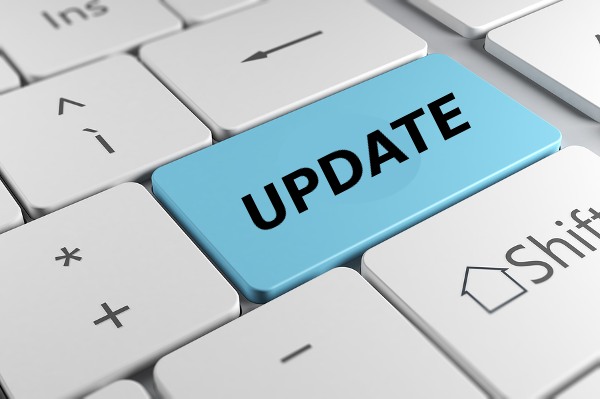
Software updates are pieces of software that software vendors release on the Internet. These updates, usually called Patches or Service Pack, consist of the following:
Fixes for Software Vulnerabilities
Software vulnerabilities, also known as security holes, are glitches or weaknesses in a system that can leave it exposed to threats such as malware attacks. These vulnerabilities can be exploited by an attacker to hack into the system and use it at their own will.
For instance, visiting a certain website with a vulnerable/outdated version of Internet Explorer, can automatically download a malware on your system that can steal your personal/banking information or have it controlled by a hacker. This is called a drive-by download. And this is just one of the many types of attacks that are conducted with the help of security holes. Over 90% of all software updates contain fixes that take care of security vulnerabilities and reduce the risk of Internet attacks.
According to a report released by United States Computer Emergency Readiness Team (original release date: April 29, 2015), systems running unpatched software from Adobe, Microsoft, Oracle, or OpenSSL are the most targeted by hackers. View the complete list of these software here.
Product Enhancement
Besides fixing security holes, software updates are also released to fix bugs that may cause a certain program to function unexpectedly; in other words, these updates are meant for product enhancement.
So, how do you know when you need to update a software
> Windows and programs like Mozilla and Chrome should be set to automatic updates. To know how to do it:
- For Windows, click here
- For Mozilla, go to Tools > Options > Advanced > Select ‘Automatically install updates’
- For Chrome, click here
> You can install a trusted software that scans your system and notifies you of outdated/unpatched programs. If you choose to go with this option, please ensure that the software’s publisher is verified and has good, positive reviews by users and genuine tech websites.
> The other way is to check for updates manually. Mostly, the ‘Help’ or ‘About’ section of any software has the information about ‘updates’.
> Antivirus software like Quick Heal comes with an inbuilt functionality that helps users determine the security vulnerabilities in their machine so that they can get a patch for the same. In Quick Heal, this functionality is known as vulnerability scanner. Know more about this here.
So, the next time you get annoyed with pop-ups about software updates, tell yourself that that a virus infection could be a lot worse than this.